
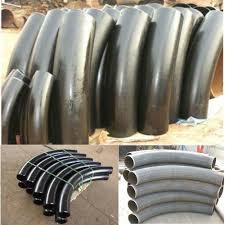
3D, 5D, 10D BENDS Introduction to 3D, 5D, and 10D Bends: Bends are essential components in the construction, engineering, and manufacturing industries, typically used for pipes, tubes, or rods that require angular alterations. The terms 3D, 5D, and 10D refer to the degree of curvature relative to the diameter (D) of the pipe, tube, or rod. These are measured in terms of the bend radius, which is the distance from the centerline of the pipe to the point where the bend begins. 3D Bend: The radius of the bend is three times the diameter of the pipe. 5D Bend: The radius of the bend is five times the diameter of the pipe. 10D Bend: The radius of the bend is ten times the diameter of the pipe. These bends are crucial for systems that need to change the direction of flow without causing significant pressure loss, leakage, or damage to the material being transported through the pipe. Uses of 3D, 5D, and 10D Bends: 3D Bends: These bends are commonly used when space is limited and a tighter bend is required. They are suitable for low-pressure applications or for pipes that do not carry particularly delicate or sensitive materials. Due to their sharp curve, they can create higher flow resistance, so they are not always used for high-pressure systems. 5D Bends: These are more versatile and commonly used in various applications where moderate curvature is needed. 5D bends strike a balance between performance and flexibility and are widely used in industries like oil and gas, power generation, and water systems. They provide more smooth flow and less turbulence compared to 3D bends. 10D Bends: These bends are the most gradual and are generally employed in high-pressure systems or where there is a need for a very smooth flow, such as in chemical processing or in situations where minimizing wear and tear on the pipes is important. They allow for minimal disturbance to the fluid flow and are commonly used in longer pipelines or areas where efficiency and low resistance are critical. Grades of Bends: The grade of a bend refers to the material quality and manufacturing process. Common materials for pipe bends include: Carbon Steel: Often used in 3D and 5D bends for general purpose applications. Stainless Steel: More commonly used for 5D and 10D bends due to its resistance to corrosion, especially in industries like food processing, pharmaceuticals, or petrochemicals. Alloy Steel: Used for specialized bends that require higher strength and resistance to extreme temperatures or pressures. Sizes of Bends: The size of bends refers to the diameter of the pipe or tube being bent. The bends come in various standard sizes, often tailored to the specific application requirements: Small Diameter Bends: Generally, 3D bends are used for smaller diameter pipes (under 1 inch). Medium Diameter Bends: 5D bends are common for pipes ranging from 1 to 6 inches in diameter. Large Diameter Bends: 10D bends are often required for larger pipes, generally over 6 inches in diameter. The manufacturing process, such as hot bending or cold bending, also plays a role in the achievable sizes. Conclusion: In conclusion, 3D, 5D, and 10D bends are crucial components used to change the direction of flow in piping systems. The choice between them depends on the requirements of the application, such as space, flow rate, pressure, and material sensitivity. Understanding the right radius for specific projects ensures efficiency, reduced wear, and optimal performance in systems, whether in industrial plants, pipelines, or other engineering applications. The proper grading and sizing of bends ensure that materials can be transported smoothly and with minimal resistance. If you have any requirement - please email us on sales@sagarsteel.net or call us on +91 9920177883


This is your website preview.
Currently it only shows your basic business info. Start adding relevant business details such as description, images and products or services to gain your customers attention by using Boost 360 android app / iOS App / web portal.
3D, 5D, 10D BENDS Introduction to 3D, 5D, and 10...
2025-02-06T10:31:54
3D, 5D, 10D BENDS Introduction to 3D, 5D, and 10D Bends: Bends are essential components in the construction, engineering, and manufacturing industries, typically used for pipes, tubes, or rods that require angular alterations. The terms 3D, 5D, and 10D refer to the degree of curvature relative to the diameter (D) of the pipe, tube, or rod. These are measured in terms of the bend radius, which is the distance from the centerline of the pipe to the point where the bend begins. 3D Bend: The radius of the bend is three times the diameter of the pipe. 5D Bend: The radius of the bend is five times the diameter of the pipe. 10D Bend: The radius of the bend is ten times the diameter of the pipe. These bends are crucial for systems that need to change the direction of flow without causing significant pressure loss, leakage, or damage to the material being transported through the pipe. Uses of 3D, 5D, and 10D Bends: 3D Bends: These bends are commonly used when space is limited and a tighter bend is required. They are suitable for low-pressure applications or for pipes that do not carry particularly delicate or sensitive materials. Due to their sharp curve, they can create higher flow resistance, so they are not always used for high-pressure systems. 5D Bends: These are more versatile and commonly used in various applications where moderate curvature is needed. 5D bends strike a balance between performance and flexibility and are widely used in industries like oil and gas, power generation, and water systems. They provide more smooth flow and less turbulence compared to 3D bends. 10D Bends: These bends are the most gradual and are generally employed in high-pressure systems or where there is a need for a very smooth flow, such as in chemical processing or in situations where minimizing wear and tear on the pipes is important. They allow for minimal disturbance to the fluid flow and are commonly used in longer pipelines or areas where efficiency and low resistance are critical. Grades of Bends: The grade of a bend refers to the material quality and manufacturing process. Common materials for pipe bends include: Carbon Steel: Often used in 3D and 5D bends for general purpose applications. Stainless Steel: More commonly used for 5D and 10D bends due to its resistance to corrosion, especially in industries like food processing, pharmaceuticals, or petrochemicals. Alloy Steel: Used for specialized bends that require higher strength and resistance to extreme temperatures or pressures. Sizes of Bends: The size of bends refers to the diameter of the pipe or tube being bent. The bends come in various standard sizes, often tailored to the specific application requirements: Small Diameter Bends: Generally, 3D bends are used for smaller diameter pipes (under 1 inch). Medium Diameter Bends: 5D bends are common for pipes ranging from 1 to 6 inches in diameter. Large Diameter Bends: 10D bends are often required for larger pipes, generally over 6 inches in diameter. The manufacturing process, such as hot bending or cold bending, also plays a role in the achievable sizes. Conclusion: In conclusion, 3D, 5D, and 10D bends are crucial components used to change the direction of flow in piping systems. The choice between them depends on the requirements of the application, such as space, flow rate, pressure, and material sensitivity. Understanding the right radius for specific projects ensures efficiency, reduced wear, and optimal performance in systems, whether in industrial plants, pipelines, or other engineering applications. The proper grading and sizing of bends ensure that materials can be transported smoothly and with minimal resistance. If you have any requirement - please email us on sales@sagarsteel.net or call us on +91 9920177883
2025-02-06T10:31:54


Keywords
- 91 9920177883
- 6 inches
- bend radius
- pipe tube
- ten times
- minimal resistance
- transported smoothly
- optimal performance
- crucial components
- low resistance
- pipe bends
- piping systems
- fluid flow
- highpressure systems
- smooth flow
- water systems
- engineering applications
- lowpressure applications
- bends ensure
- bends refers
- specialized bends
- bend refers
- tighter bend
- proper grading
- cold bending
- hot bending
- pipes ranging
- extreme temperatures
- material quality
- critical grades
- minimal disturbance
- minimizing wear
- turbulence compared
- moderate curvature
- sharp curve
- curvature relative
- pipes tubes
- construction engineering
- essential components
- 5d bends
- standard sizes
- pressures sizes
- 10d bends
- manufacturing process
- carbon steel
- longer pipelines
- chemical processing
- generally employed
- 10d refer
- 3d 5d
- pipe 5d bend
- 10d bends bends
- pipe 10d bend
- smaller diameter pipes
- terms 3d 5d
- manufacturing industries typically
- 10d bends due
- larger pipes generally
- material sensitivity understanding
- conclusion 3d 5d
- sensitive materials due
- achievable sizes conclusion
- industrial plants pipelines
- petrochemicals alloy steel
- food processing pharmaceuticals
- require higher strength
- gas power generation
- require angular alterations
Submit Your Enquiry