

Description
Product details
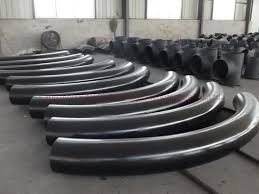
MS Seamless 3D, 5D, 10D Bends refer to types of pipe bends made from Mild Steel (MS) and are commonly used in various industries, particularly in construction, piping systems, and manufacturing processes. These bends are categorized based on the angle of the bend and the type of pipe material used. The "D" stands for the number of times the pipe is bent relative to its diameter. Key Characteristics of MS Seamless Bends: Material: Mild Steel (MS) is a type of carbon steel with low carbon content, making it more flexible and easy to work with. MS pipes are cost-effective, durable, and widely used in piping systems for their strength and weldability. These bends are seamless, meaning they are manufactured without welding seams, which makes them stronger and more reliable compared to welded pipe bends. Types of Bends (3D, 5D, 10D): 3D Bends: In these bends, the bending radius is three times the diameter of the pipe. For example, if you have a pipe with a 2-inch diameter, the radius of the bend will be 6 inches. 5D Bends: Here, the bending radius is five times the diameter of the pipe. This creates a more gradual curve compared to 3D bends, leading to less turbulence in fluid flow and a smoother turn. 10D Bends: These bends have a radius 10 times the diameter of the pipe. These are used for larger and more gradual bends, reducing stress and turbulence, which is ideal for high-pressure systems and longer distances. Application Areas: Piping systems in industries like oil and gas, petrochemical, water treatment, and HVAC systems. Construction: Used in the structural piping of buildings and bridges. Transportation and Distribution: Especially in the transportation of fluids, gases, and chemicals in pipelines. Mechanical Systems: Used in machines and equipment that require flexible piping. Advantages: Strength and Durability: MS seamless bends are known for their strength due to the absence of welds, which makes them less likely to fail under pressure. Corrosion Resistance: Mild steel is relatively resistant to corrosion when properly treated or coated, making these bends suitable for a variety of environments. Cost-Effective: Compared to other high-grade materials like stainless steel, mild steel is less expensive, making these bends affordable for large-scale projects. Smooth Flow: The seamless nature of the pipe helps in maintaining the integrity of fluid flow, especially in the case of high-pressure systems. Manufacturing Process: Bending: These bends are created by using specialized equipment that applies pressure to the pipe, forcing it to bend at the desired radius. The bending process ensures a smooth and even curve with minimal risk of cracking or weakening the pipe. Heat Treatment: After the pipe is bent, it may undergo heat treatment to relieve stresses and improve its mechanical properties. Testing: The bends are usually tested for pressure, leakage, and dimensional accuracy before being shipped to customers. Sizes and Customization: MS seamless bends come in various sizes depending on the diameter of the pipe. They can be customized to meet specific needs, whether it’s a particular radius (3D, 5D, 10D) or other special requirements. Standards and Certifications: These bends are manufactured according to international standards such as ASTM, ASME, DIN, and ISO, ensuring they meet the required quality and safety specifications. Certifications like ISO 9001 and CE marking are often associated with MS seamless bends to signify their compliance with quality assurance standards. Design Considerations: When selecting a bend, the system's pressure rating, fluid type, temperature, and mechanical stress should be considered. A 10D bend, for example, would be used where a gradual turn is necessary, and stress relief is crucial. In some systems, bends with smaller radii, such as 3D, may be acceptable in low-pressure or non-critical applications. Applications in Different Industries: Oil & Gas: Used for pipelines that transport crude oil, natural gas, and other fluids across long distances. Chemical Processing: Used in the production, transportation, and storage of chemicals in various refineries and factories. Water Supply Systems: Applied in water distribution and treatment plants. HVAC: Used in heating, ventilation, and air conditioning systems to navigate the pipes around structural obstacles. Conclusion: MS Seamless 3D, 5D, and 10D bends are essential components in piping systems that provide flexibility and strength. They are cost-effective, durable, and ideal for industries that require reliable fluid and gas transportation. The choice of radius (3D, 5D, 10D) depends on the specific application and the design requirements of the piping system.